Genomics is reshaping medicine, agriculture and conservation. For Africa it also raises harder questions: who does the science, who controls the data, and who benefits.
1. Genomics reads the whole genetic picture
Genetics usually studies single genes. Genomics studies an organism’s complete set of DNA, its genome, and how genes interact with each other and with the environment. That wider view helps scientists understand disease, biological processes and the differences between individuals and populations.
2. It is changing how disease is diagnosed and treated
Genomic tools can help diagnose inherited conditions and track how infectious diseases spread and change. They can also guide cancer care and explain why people respond differently to the same medicine. The gains are real but uneven. They depend on laboratories, trained clinicians and health systems that can act on the results.
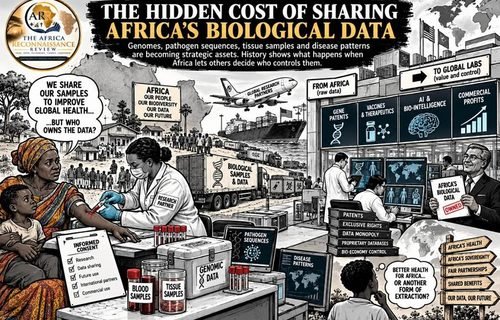
3. Africa holds the world’s greatest human genetic diversity, yet it is missing from the data.
Modern humans originated in Africa, and African populations carry more genetic diversity than anywhere else. Yet they remain underrepresented in global genomic databases. This means tests and treatments built on that data may work less well for Africans. African-led work is starting to close the gap. The AGenDA project, published in Nature in 2026, sequenced more than 1,000 whole genomes from underrepresented communities in nine African countries.
4. Genomic data is among the most sensitive data.
A genome reveals information about a person and their blood relatives, and unlike a password, it cannot be changed after a leak. This raises questions of consent, secure storage, cross-border sharing, ownership and benefit-sharing. Many African countries now have data protection laws, but laws alone are not enough. The real test is whether the continent can build research institutions able to govern genomic data, not just export it.
5. Genomics reaches well beyond human health.
The same tools support crop breeding, livestock improvement and biodiversity conservation. The African BioGenome Project aims to sequence the continent’s plants, animals and other species, and it treats fair sharing of data and benefits as a core goal. The opportunity for African countries is to build local expertise and infrastructure, not simply to supply samples.
Genomics is neither a miracle nor a menace. Its value depends on who does the research, who governs the data and who shares in what follows. For Africa, the question is not whether to join the genomics revolution. It is whether we will build the scientific institutions and safeguards needed to shape it.
Africa must do more than supply samples to global science. It must help shape the research, govern the data and share in the benefits.